
KENZIE COLVIN — SUMMER 2026 WINNER
Kenzie Colvin is the Art Fund Me Summer 2026 Winner, receiving a $1,000 grant to support the next chapter of her artistic practice. An emerging multidisciplinary artist, Colvin creates acrylic paintings that explore resilience, identity, and human connection. Rooted in lived experience, her practice transforms vulnerability and emotion into bold visual narratives.
Working primarily in black and white, she strips away distraction to focus on the emotional core of a moment. Her work is deeply personal, yet leaves space for viewers to recognize their own experiences within it.
In this interview, Colvin reflects on the journey that brought her to art, the experiences and emotions that shape her work, and her relationship with symbolism and the black-and-white palette. She also shares the story behind her current collection, what the $1,000 Art Fund Me grant means to her, and what she hopes to create next.
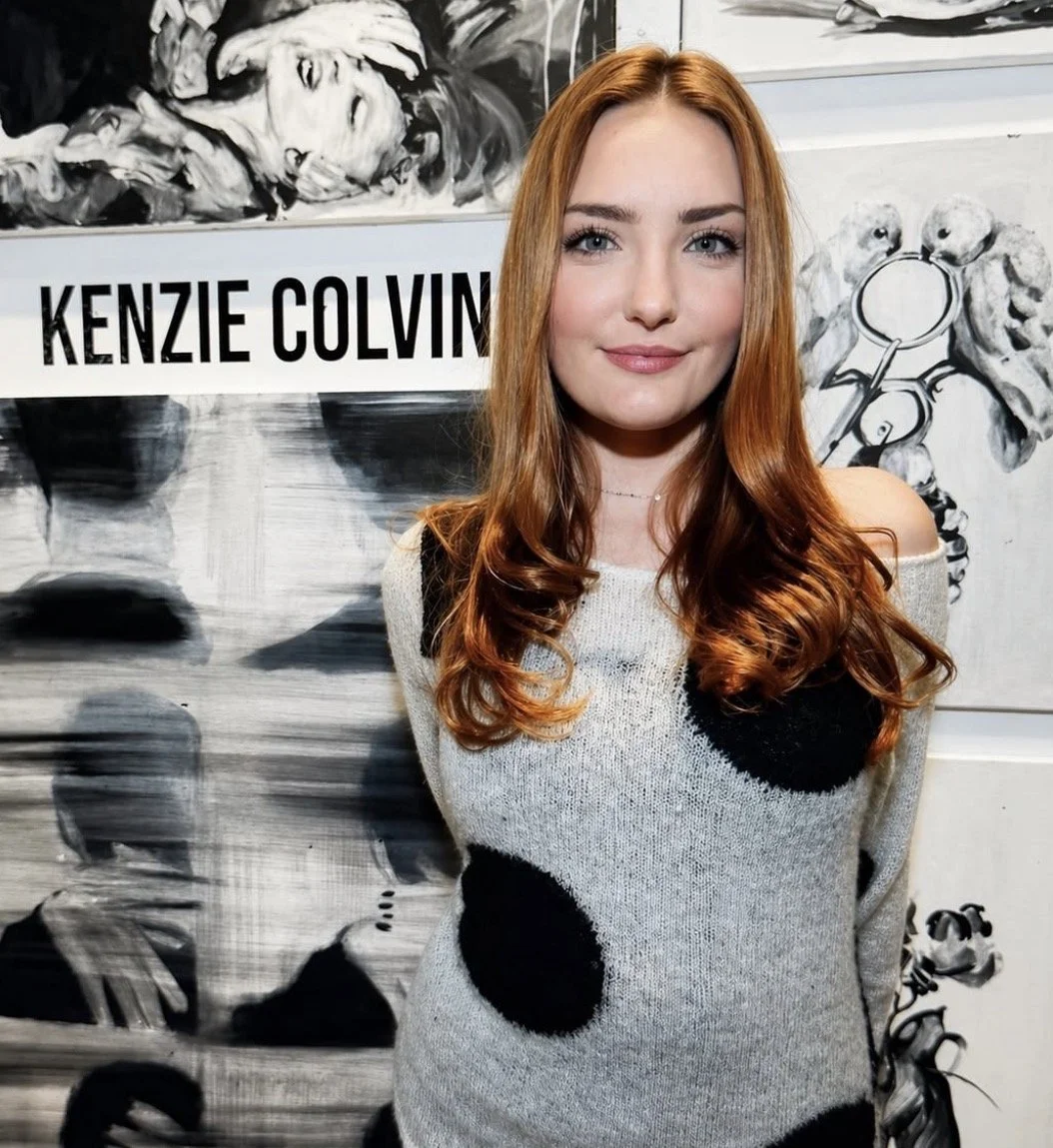
“I don’t paint every experience exactly as it happened. I paint what it felt like.”
— Kenzie Colvin
Can you tell us a little about your journey as an artist?
I started creating art as a way to escape a reality that, at the time, felt bigger than I was. I was dealt a difficult hand, and I didn’t always have the words or the circumstances to process what I was feeling. Painting became a place where I could go when I needed to get away from everything else.
What started as an escape eventually became my way of understanding myself. I realized that when I painted, I could express emotions that I couldn’t always say out loud. I could take something painful, confusing, or overwhelming and turn it into something tangible.
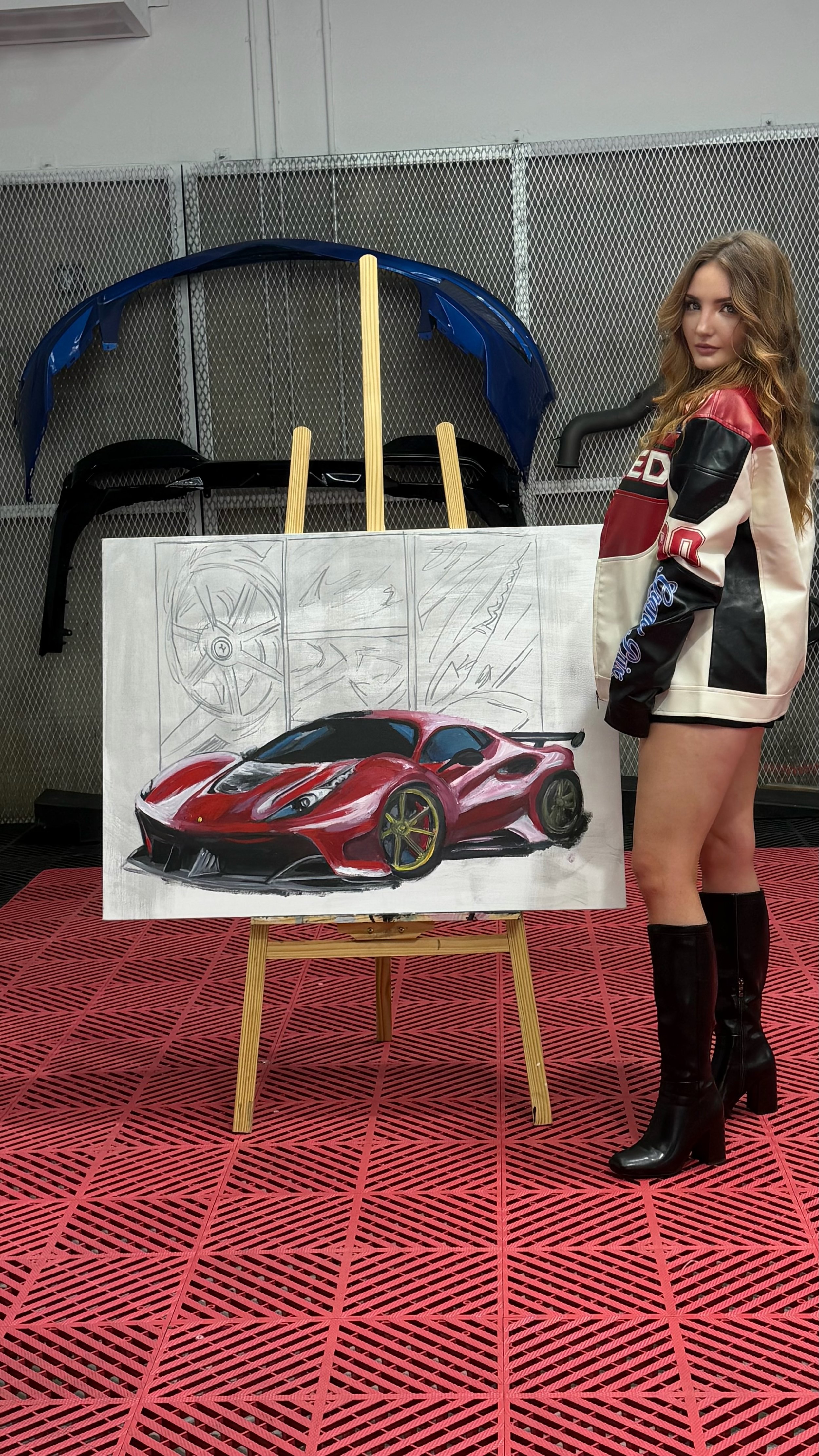
I’m a self-taught acrylic artist, and over time, something that began as an escape grew into a career. I’ve had the opportunity to exhibit my work, participate in live painting events, collaborate with creative communities, and work with other artists. But at the center of everything, I’m still painting for the same reason I started: because art gives me a place to be completely honest with myself.
I was dealt a bad hand, and I chose to make something great out of it. Art gave me the ability to do that.
What inspires you when you begin a new painting?
Usually, I start with a feeling rather than a specific image. Sometimes it’s a moment, a memory, a person, or something I’m experiencing internally that I’m trying to understand.
I’m really inspired by symbolism and the way an object, gesture, or image can represent something much bigger than what it is on the surface. I like taking something recognizable and giving it a deeper meaning connected to an emotion or experience. I think symbolism allows me to communicate things that can be difficult to put into words.
I’m interested in capturing a feeling and turning it into something visual. I’ll often start with sketches and ideas without knowing exactly where the painting will end up. I like allowing the process to evolve naturally instead of trying to control every part of it.
Sometimes the meaning becomes clearer as I paint. I might begin with one idea and discover something completely different in the process. I like that a painting can hold a personal meaning for me while still leaving enough space for someone else to see themselves in it.
For me, the best paintings are the ones that make you stop and wonder why you feel something when you look at them.
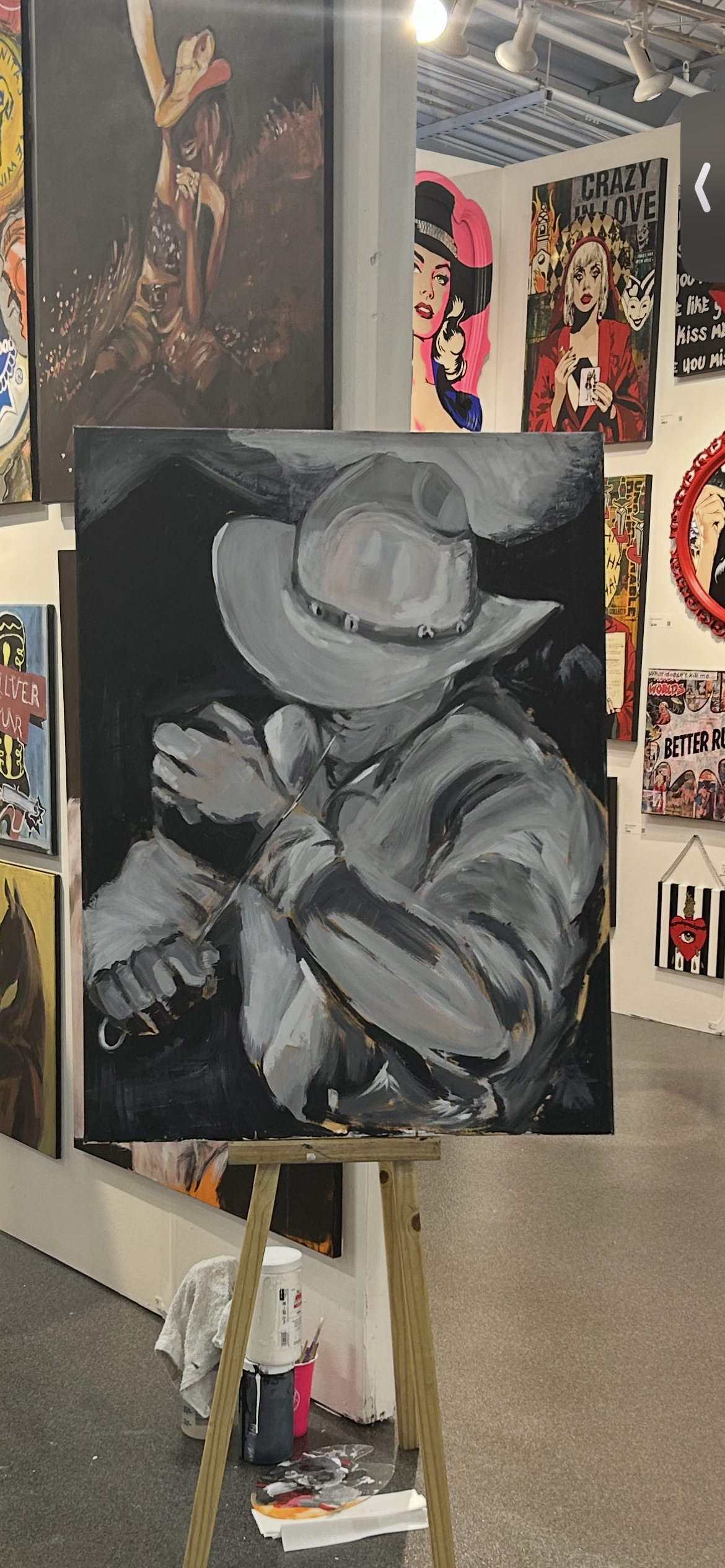
Kenzie Colvin exhibiting her work at the New York Art Expo, 2025.
How do your personal experiences and emotions influence your work?
My personal experiences have deeply shaped the way I understand people, and that understanding has become a major part of why I create.
My parents were very young when they had me, and growing up with that reality came with challenges that I had to understand at a young age. One of the most important things I learned was how to see my parents not only as my parents, but as people. People who were young, learning, making mistakes, carrying their own experiences, and trying to navigate life with the tools they had.
Learning that perspective taught me forgiveness. It also taught me empathy. I learned that people can hurt you and still be human. Someone can love you and still have flaws. Someone can make mistakes without those mistakes being the entirety of who they are.
I think that understanding has followed me into my art.
I have always been deeply interested in the emotions that make us human—the complicated ones, the uncomfortable ones, and the ones we don't always know how to express. I don't paint every experience exactly as it happened. I paint what it felt like.
For me, art is a way of taking those emotions and giving them somewhere safe to exist. I want my work to make people feel seen. I want someone to look at a painting and recognize something in themselves that they may not have had words for.
There is so much pressure in the world to have everything figured out, to hide the parts of ourselves that are messy, emotional, or vulnerable. My work is meant to create the opposite feeling. I want it to be a space where you don't have to explain yourself. You can simply feel.
I think my experiences taught me that everyone is carrying a story that you may not be able to see. That has made me more interested in understanding people than judging them, and it has made empathy one of the most important things I hope to communicate through my work.
Art started as a way for me to escape my reality, but it has become a way for me to connect with other people. I want to create a safe place for the emotions that make us human—for the parts of ourselves that are complicated, vulnerable, imperfect, and real.
At the end of the day, I want my work to remind people that they are not alone in feeling the way they feel. We are all just people trying to understand ourselves and each other.
What draws you to working with black and white?
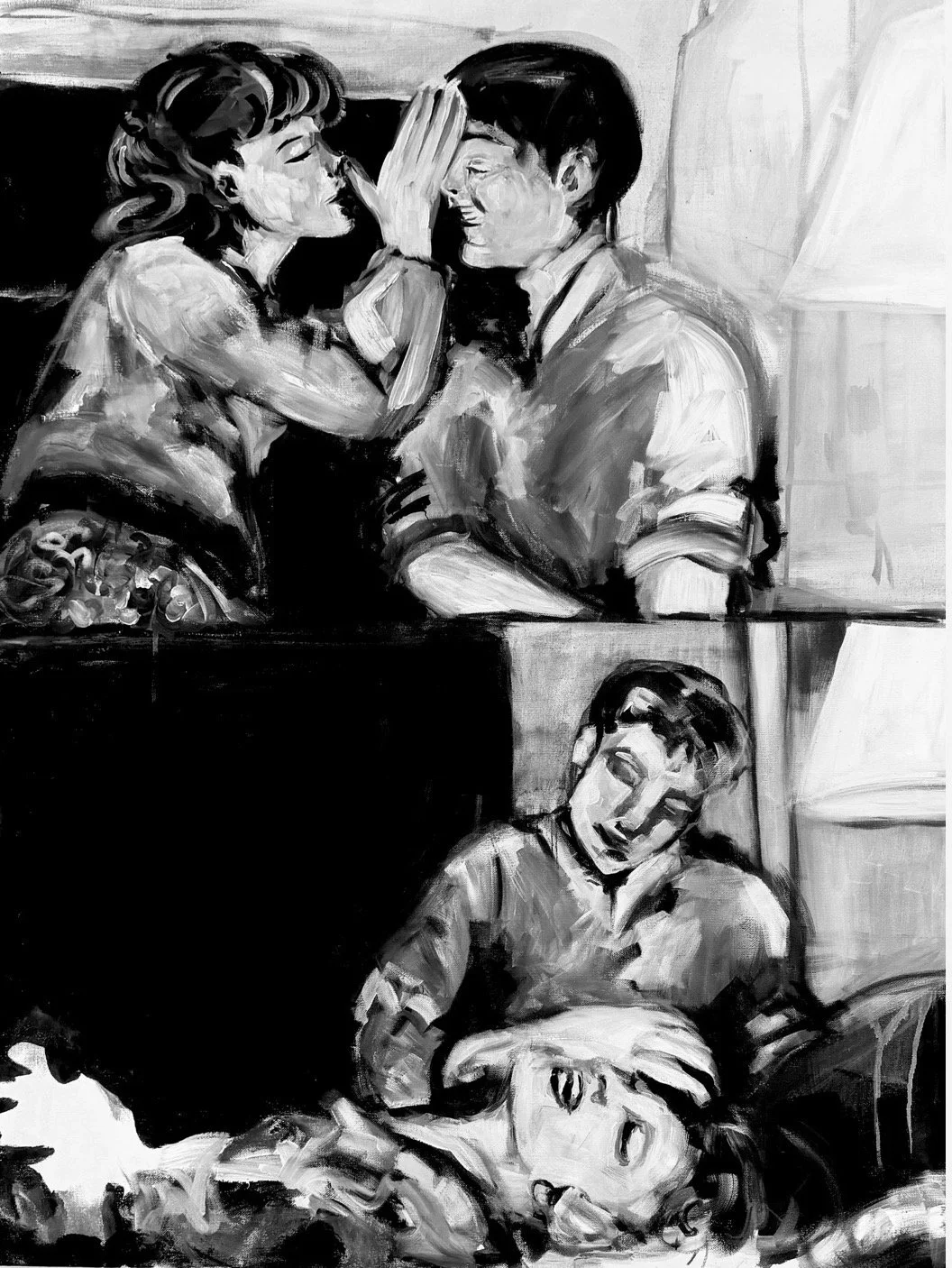
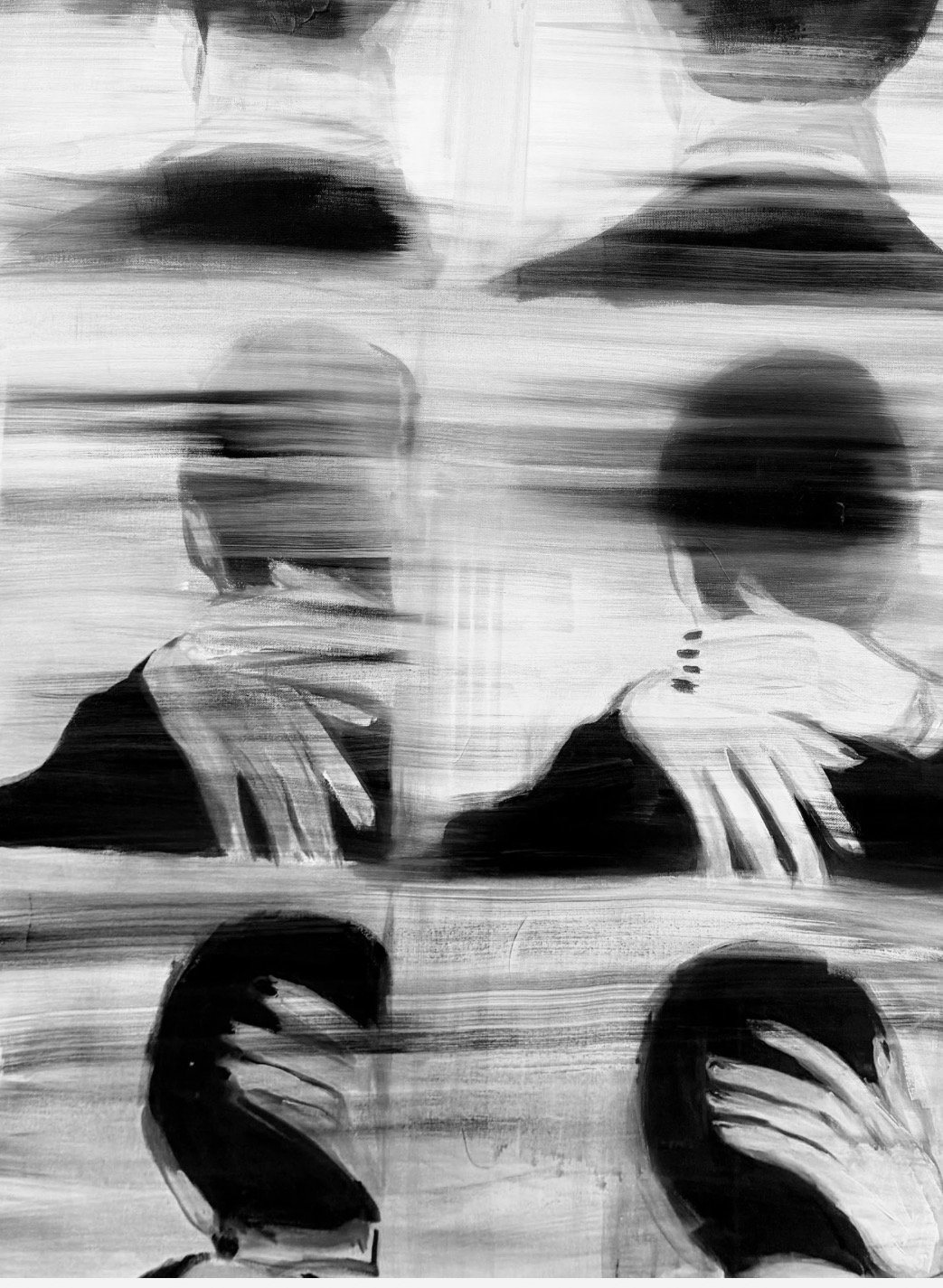
What draws me to working with black and white is the way it forces me to look beyond the surface. When color is removed, there are fewer distractions, and I’m able to focus more intentionally on emotion, expression, movement, and the atmosphere of a moment.
For me, black and white creates a kind of emotional honesty. Color can influence how we interpret an image almost immediately; it can make something feel warm, joyful, romantic, or unsettling. Without it, the viewer has to sit with the feeling itself. I love that the meaning becomes more personal and open to interpretation.
There is also something timeless about black and white that I’m drawn to. It can feel intimate and vulnerable, but at the same time dramatic, elegant, and powerful. I think that contrast reflects a lot of what I’m interested in exploring through my work: the complexity of human emotion and the way something can be beautiful even when it comes from a difficult or complicated place.
Ultimately, black and white allows me to strip an image down to what feels essential. It challenges me to create impact through light, shadow, composition, and emotion rather than relying on color to carry the painting. It makes the viewer look a little longer—and hopefully, feel something before they even understand exactly why
Can you tell us about the story behind your current collection, and what you hope people take away from it?
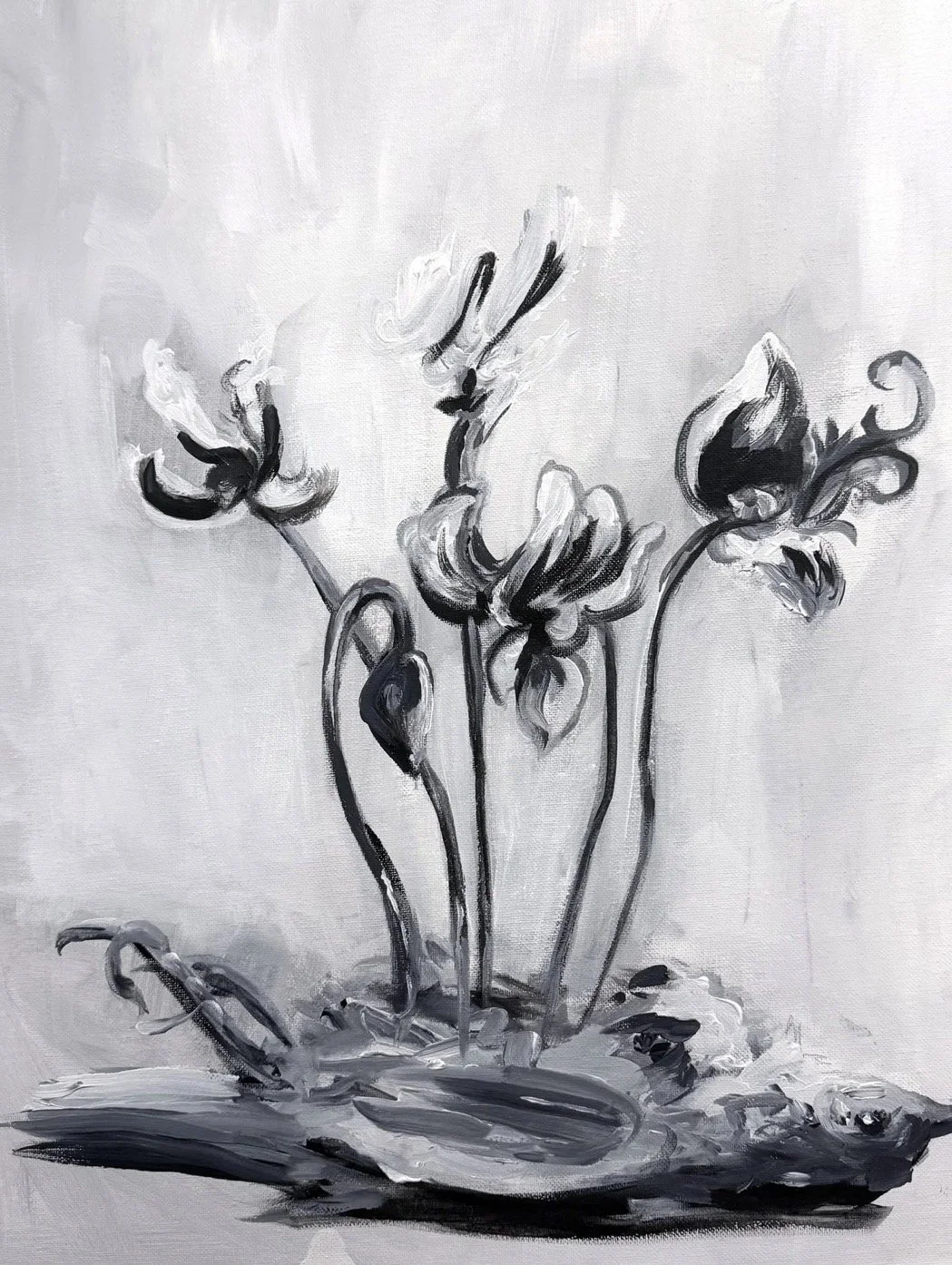
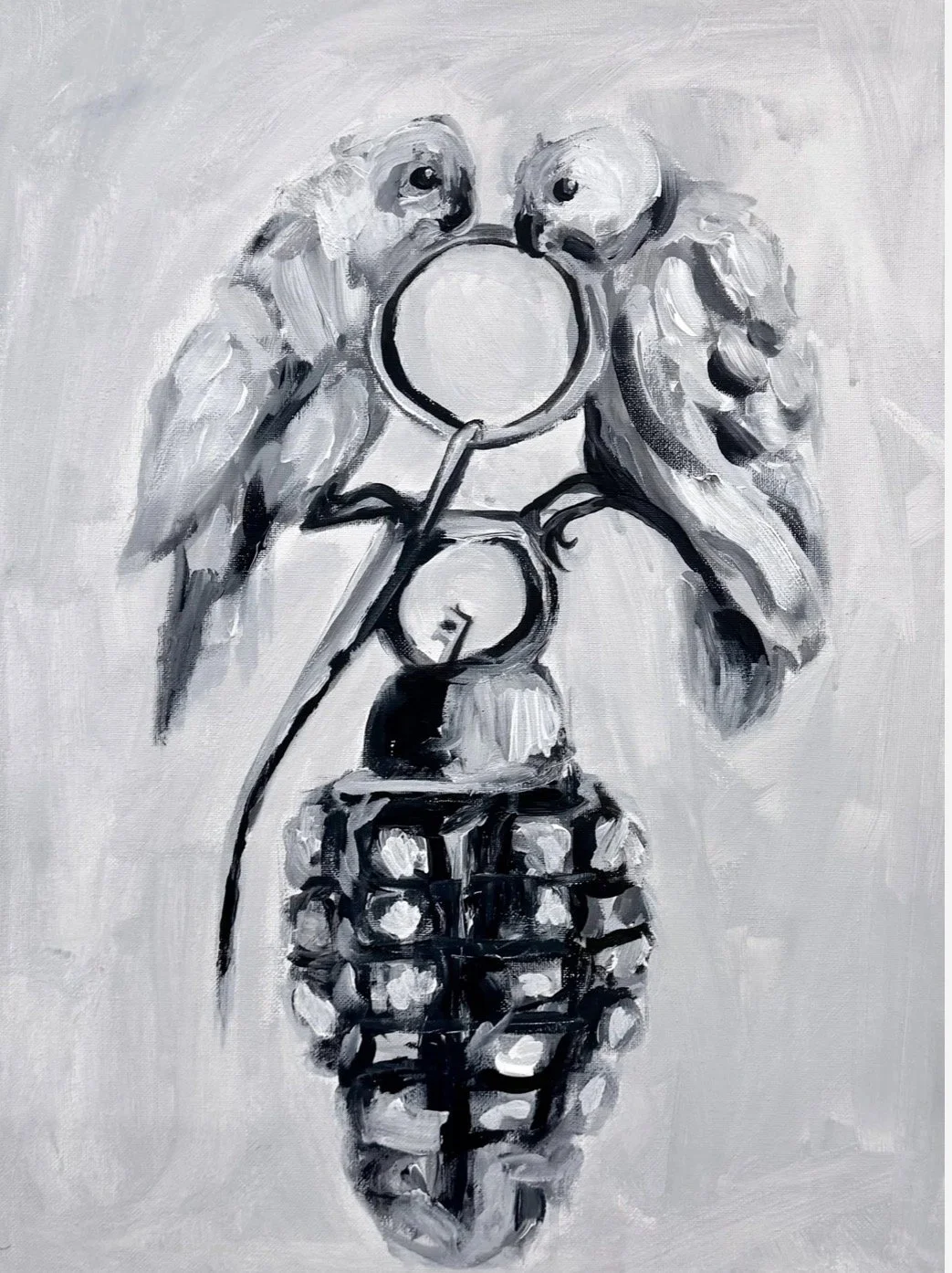
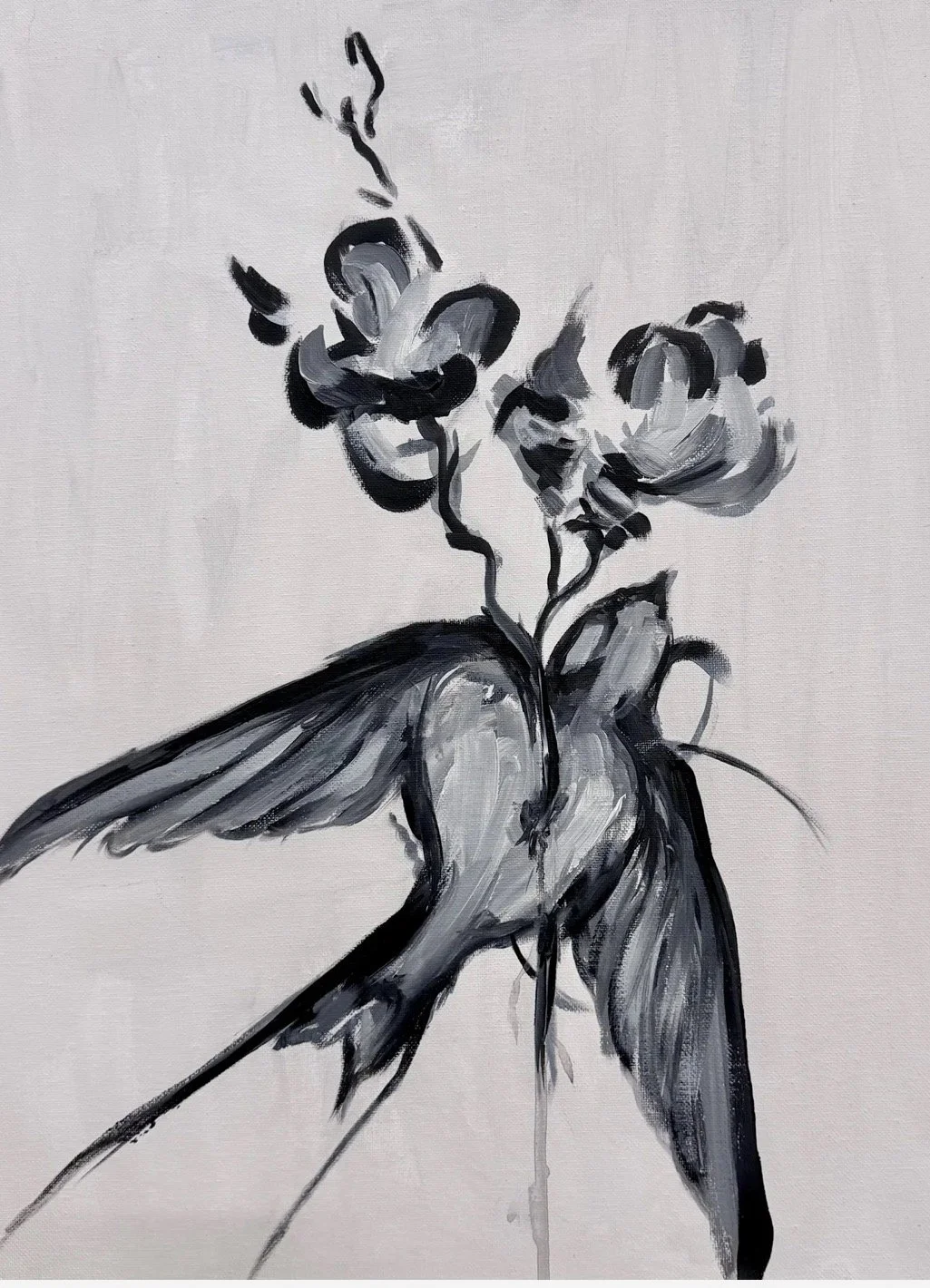
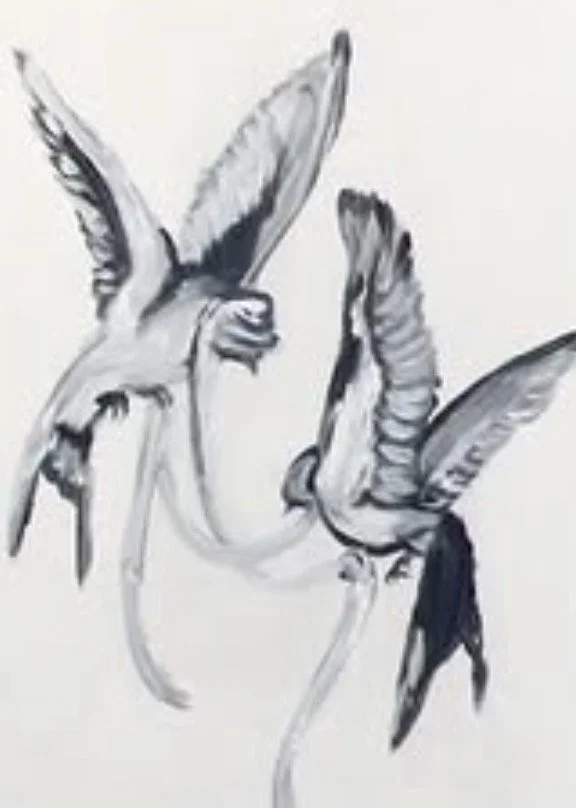
This collection lives in the space where love and pain are inseparable, where vulnerability, conflict, confinement, and growth all exist at once, often within the same breath.
Some of these works sit in the moment connection turns into risk, the instant opening yourself up to someone collides with the possibility of being hurt by it. Others explore how love can blur judgment, or quietly become its own kind of confinement, even when it looks like closeness from the outside.
There's a piece that captures the fragile second before everything shifts, when emotion feels explosive and delicate at the same time, and the outcome is still unknown. And running through all of it is a quieter idea: that growth doesn't stop, even in stillness, even under weight. Transformation tends to come not from ease, but from exactly the kind of discomfort this body of work sits inside.
I created this collection because I wanted to be honest about what love actually costs, and what can still emerge from it, even in the hardest moments. Rather than resolve that tension, I wanted to sit inside it and invite anyone looking at this work to see their own experience of love reflected back at them.
The Works Behind the Collection
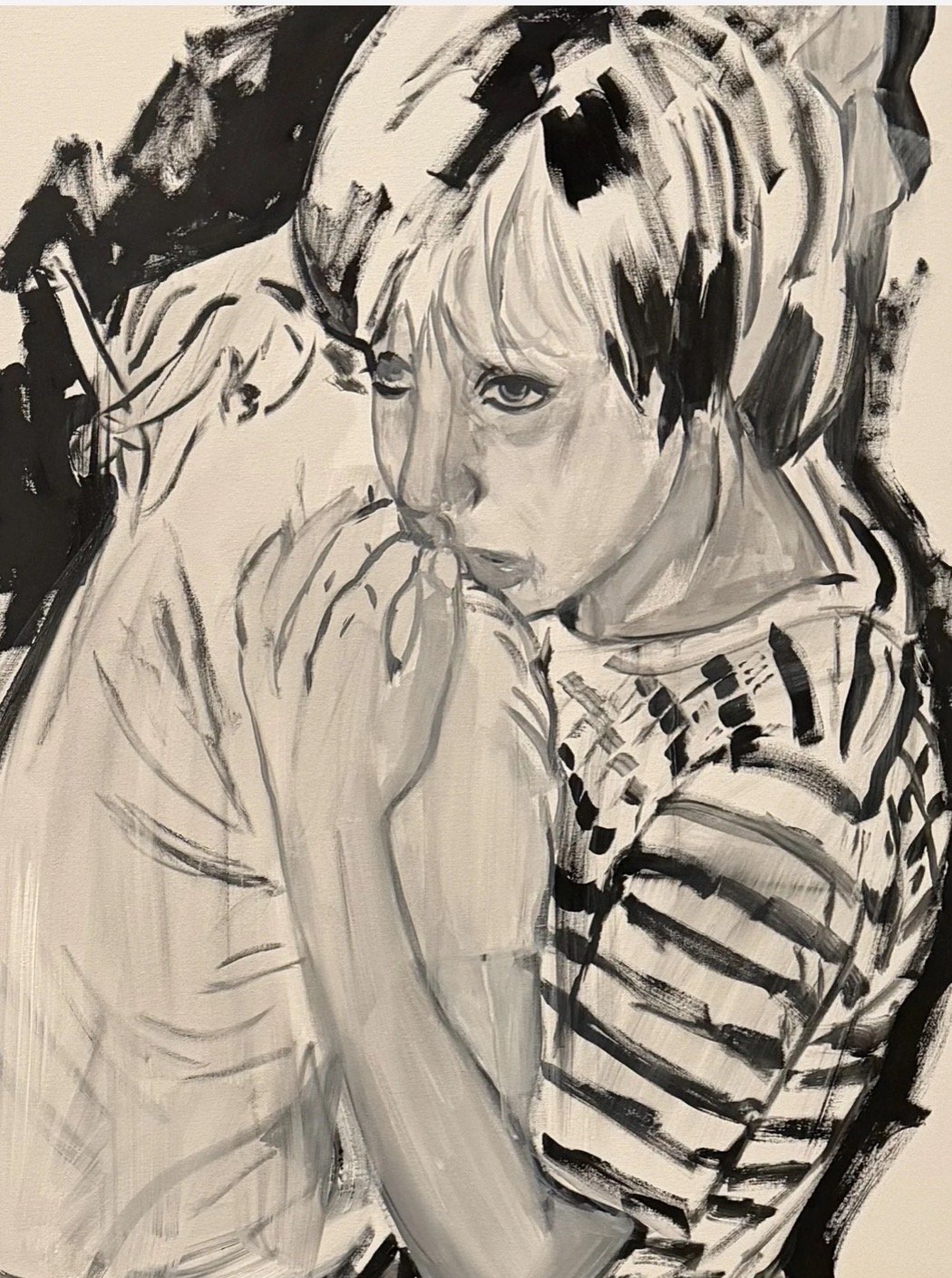
Please Let Me Get What I Want
Acrylic, 30 × 40 in
Please Let Me Get What I Want explores the tension between desire and necessity—the emotional space between longing for something and recognizing that what we want is not always what we truly need.
The work reflects a moment of self-awareness, where desire continues to exist even after we understand that fulfillment and necessity are not always aligned. Created using black and white acrylic paint, the piece focuses on contrast, reduction, and emotional clarity. By limiting the palette to only black and white, the work strips away distraction and emphasizes form, movement, and expression.
The process involves building the image through bold, expressive strokes and layered paint, allowing the composition to emerge through contrast and texture. The simplicity of the color palette mirrors the core idea behind the work: the push and pull between opposing forces—desire and acceptance, longing and understanding.
Through this minimal yet expressive approach, the piece invites viewers to reflect on the universal experience of wanting something deeply while recognizing that it may not ultimately be what we need.
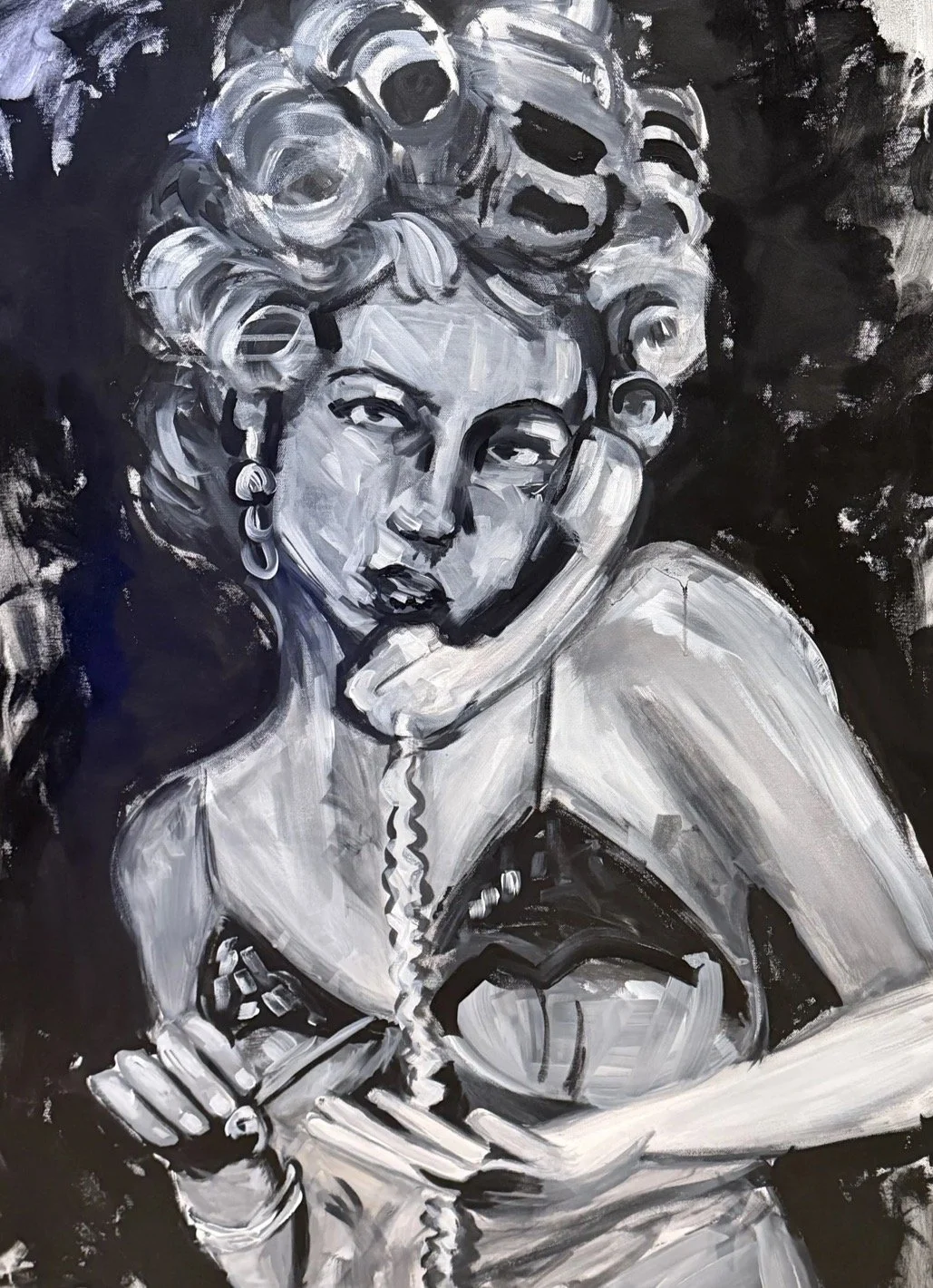
Hung Up On You
Acrylic, 30 × 40 in
Hung Up On You captures the emotional tension of waiting—being present and available for someone at a moment’s notice. The figure holds the phone close, suspended in a quiet moment of anticipation, embodying the vulnerability of waiting for a voice on the other end of the line.
The piece reflects the feeling of being emotionally on hold, where time slows and attention is fixed on the possibility of connection.
Created using black and white acrylic paint, the limited palette emphasizes contrast and mood. By removing color, the work focuses on form, gesture, and expression, allowing the tension of the moment to emerge through light, shadow, and movement.
My process is intuitive and expressive, building the image through layered brushstrokes and bold contrasts. The monochromatic palette mirrors the emotional push and pull present in the work—between presence and absence, connection and distance. Hung Up On You reflects the fragile space between reaching out and waiting to be reached.
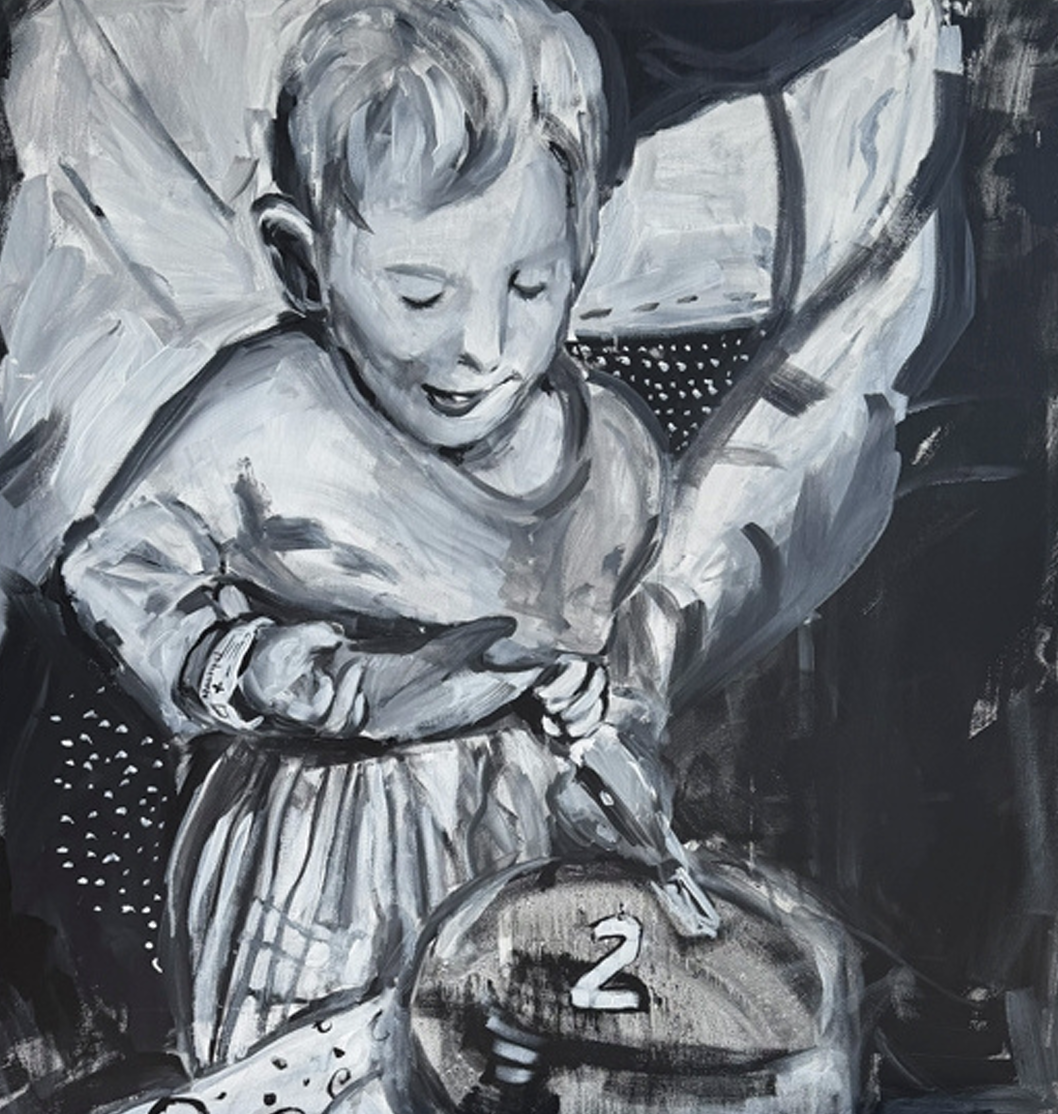
Peculiar Childhood
Acrylic, 20 × 20 in
Peculiar Childhood reflects a memory that on the surface feels light and happy, but reveals a deeper sense of discomfort and pain upon closer attention. The work explores the complexity of childhood experiences, where moments can hold both joy and quiet struggle at the same time.
Subtle details, such as the hospital bracelet, hint at a deeper narrative that might otherwise be overlooked, mirroring how much of that experience went unseen.
Created using black and white acrylic paint, the absence of color is a deliberate contrast to the way memories are often perceived as bright and vivid. By removing color, the work strips the moment down to its emotional core, allowing the underlying tension to come forward.
What does receiving the Art Fund Me grant mean to you, and what are you looking forward to creating next?
Receiving the Art Fund Me grant would mean so much to me because it would feel like an investment not only in my work, but in my potential as an artist. As a self-taught artist, I’ve had to build much of my career independently, so having someone believe in what I’m creating and support where I’m going next would be incredibly meaningful.
I’m especially excited to continue developing my current flower series into a complete body of work. This collection represents a new chapter for me. I’m experimenting with a much more colorful palette of pinks, greens, and blues and exploring what it means to intentionally create a world that feels happy.
Flowers have always felt symbolic to me because they represent growth, change, and becoming. With this series, I’m not just painting flowers—I’m creating an environment that I want to see myself in. I want the paintings to help me view my own life through a more colorful and hopeful lens.
I also want to use the grant to make this work more visible. As an emerging artist, creating the work is only one part of building a career. I want more people to experience this collection, connect with its message, and discover my work. The funding would help me invest in presenting and sharing the collection professionally so that it can reach beyond my studio and connect with a larger audience.
What excites me most is that I feel like I’m entering a new chapter in my work. I’m not only creating from what I’ve experienced anymore; I’m creating from what I want to experience. I’m building a visual world that feels hopeful, colorful, and alive.
Ultimately, I want to keep growing as an artist while creating work that makes people feel something. I want my art to remind people that even when life has been difficult, we can still create something beautiful from it—and that we are allowed to imagine a happier place for ourselves.
